Background
We have launched an investigation to understand the barriers to timely diagnosis and care for women with Placenta Accreta Spectrum (PAS).
PAS is a life-threatening complication of pregnancy where the placenta abnormally attaches, or grows into, the muscle wall of the womb. This makes delivery of the placenta at the time of birth very difficult. PAS can result in massive blood loss and is a cause of maternal death worldwide.
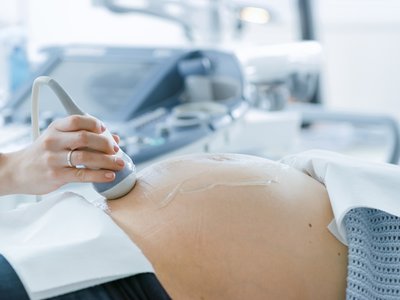
There is no definitive test to diagnose PAS during pregnancy. Prior to giving birth, the diagnosis is only provisional, a probability, based on a women’s risk factors for PAS together with signs visible on ultrasound scans taken during pregnancy.
When suspected during pregnancy, women should be referred to a specialist PAS centre to be cared for by a multidisciplinary team with expertise in the condition and the complex surgery required at birth. Evidence shows that women cared for in specialist centres experience less blood loss and other complications than those looked after in local maternity units.
PAS remains undiagnosed before birth in half to two-thirds of women with the condition. These women will not be referred to a specialist centre for care and birth planning by a multidisciplinary team with expertise. They face a higher risk of severe blood loss and other complications at birth as a result.
Intelligence review
We identified the need for this investigation through our insights process, literature review and engagement with stakeholders.
Intelligence gathered found that diagnosing PAS during pregnancy, which provides the best chance of reducing complications, is complex and is influenced by system factors. Understanding this complexity and influencing factors is needed to inform actions required to improve the timely diagnosis of PAS.
Summary of investigation
The investigation will seek to understand:
- challenges with the timely diagnosis of PAS and referral to a specialist centre
- the system factors that create barriers to the timely diagnosis of PAS and referral to a specialist centre
- opportunities that exist to strengthen the diagnosis of PAS and referral to a specialist centre.
We expect to publish our investigation report in summer 2027.
Get involved
We are keen to hear from anybody with an interest in this subject matter. This includes patients, families, carers and health and care professionals who may wish to share their experience.
If you would like to speak to us about this investigation before we publish the final report, please email investigations@hssib.org.uk. Please help us to respond to your email by including details about your interest in the investigation, such as your relevant experience, role, or how you would like to contribute to our work.