Access to technology
The report highlights that whether someone can get “artificial pancreas” technology depends partly on where they live, and we found evidence that some people may have been disadvantaged because of their age or a disability.
One reason for this unequal access was an assumption that some people would not be able to use the technology safely. We heard views at both local and national level that the technology could be “too difficult” for people with a learning disability. Yet some specialist teams had helped people with learning disabilities and mental health problems to use it safely, by giving each person training and support that suited them.
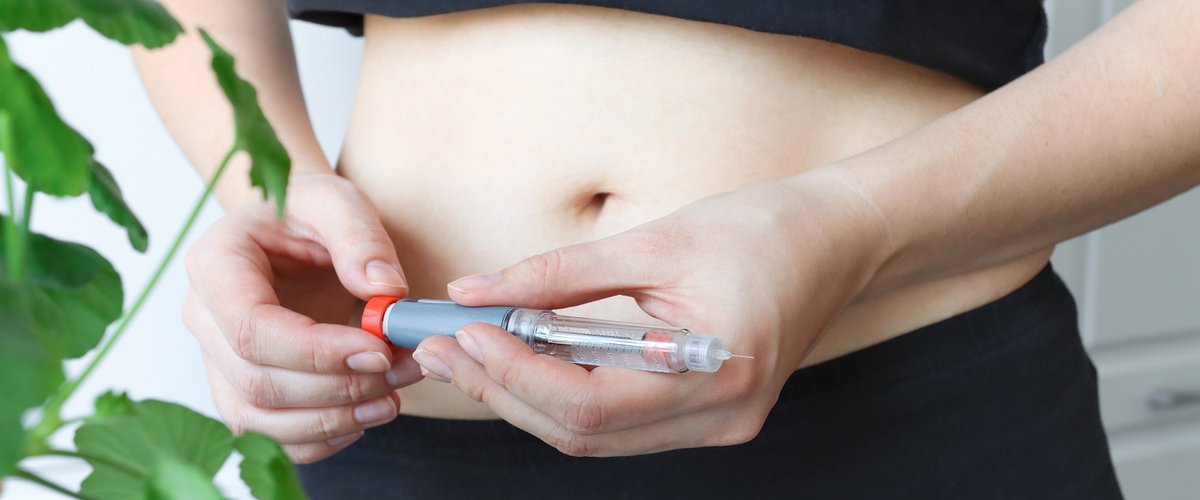
Known as hybrid closed loop (HCL) systems, the technology links an insulin pump to a glucose monitor so that insulin is adjusted automatically. Where HCL systems can be used safely, they can reduce the risk of dangerous complications and ease the daily strain of managing diabetes.
Supporting patients and healthcare staff
Around one in eight eligible adults has an HCL system, compared with more than three in four eligible children and young people. The NHS’s five-year plan to roll out the technology is now halfway through, and clinicians described uncertainty about how it will be sustained once it ends. We are urging NHS England and the Department of Health and Social Care to develop guidance to support the ongoing roll-out, so that more adults, including those with more complex needs, can get it.
We also found that staff are not always ready to support patients who do have the technology. Some community nurses described feeling “fear” and said they “wouldn’t touch” an HCL system because they had not been trained.
The report is the last in a series of four looking at how people with diabetes manage their own insulin in the community. We found that similar problems came up across all four. The report is calling for a national approach to community diabetes care that brings together GPs, community nurses, diabetes specialists and mental health and learning disability services.
Note: This report uses person-first language, for example “people with disabilities”. We chose these terms deliberately, recognising that organisations and groups hold differing views on the language used to describe disability. The “About this report” section sets out this approach in more detail.

Nick Woodier, Senior Safety Investigator said: " This technology can make a real difference to people’s lives. But even if someone meets the criteria to receive the technology, whether they get it may depend on where they live, or on assumptions about what they can manage. We recognise that technology may not be safe for some people, but we also met NHS teams who had helped people with learning disabilities and mental health problems to use it safely. That kind of support should be available to everyone who could safely benefit.”
Helen Kirrane, Head of Policy, Campaigns and Mobilisation at Diabetes UK said: “Self-managing insulin is already a demanding task for people living with diabetes and no one should face further barriers or risk their health because the technology available is not inclusive. Insulin pens and other diabetes technology must be designed with the diverse needs of users in mind. We support the HSSIB's calls for accessibility to be a core consideration throughout their development, giving people with diabetes who have additional physical or cognitive needs the independence and confidence to administer their insulin safely. We are ready to support the MHRA and industry to deliver a future where diabetes technology is accessible for all.”