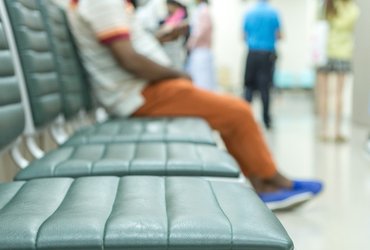
The report found that EDs have increasingly become the default location for people in mental health crisis due to gaps elsewhere in the urgent and emergency mental health care system. As a result, people can experience prolonged waits, overcrowded environments, a lack of privacy and unmet basic needs, which increase the distress and risk for patients, families and healthcare staff.
What the investigation found
The investigation found that many EDs are managing risks and needs beyond their intended role. Staff described increasing pressure, burnout, compassion fatigue and moral distress associated with caring for people who require specialist mental health support in environments unsuited to their needs.
In some cases, delayed admission to mental health inpatient services, prolonged stays in EDs and lack of support following discharge were not consistently recognised as patient safety issues or monitored to drive improvement.
Our investigation found that EDs are not designed to care for or accommodate children in mental health crisis. In addition, the investigation found safety risks associated with mental health crisis care in EDs may not be experienced equally. Protected characteristics, communication and sensory needs, neurodevelopmental needs, trauma, previous experiences and wider circumstances could affect how people experienced the ED environment. This may have impacted how their distress and needs were understood, and how able they were to participate in care and decision making. Families who took part in the investigation described distressing noise levels in EDs and said safety plans setting out how staff should communicate with their family member were ignored.
ED staff told us there were gaps in their training about how to respond to people who had both physical and mental health needs. Staff also raised concerns regarding limited access to specialist mental health nursing expertise within EDs.
Patients and families reported positive experiences when staff treated them with dignity and respect. They also valued lived experience led services and charities who supported them for the duration of their care.
Call for system-wide action
The investigation concludes that improving care for people experiencing a mental health crisis requires action to support safe, therapeutic care in EDs alongside wider changes across the urgent and emergency care pathway. We have made two safety recommendations.
Safety recommendation R/2026/097
HSSIB recommends that the Department of Health and Social Care (DHSC)/NHS England works with relevant national stakeholders to set out and support national minimum operational service standards and built design expectations for emergency departments. This will help reduce unwarranted variation and meet the therapeutic needs of individuals who attend emergency departments in a mental health crisis.
Safety recommendation R/2026/098
HSSIB recommends that DHSC/NHS England works with relevant national stakeholders to ensure people in mental health crisis in EDs are kept safe by addressing the findings of this report. This programme of work should provide further support and/or guidance to address:
- clear expectations for roles, responsibilities and accountability for clinically appropriate, co-ordinated Mental Health Act assessment pathways
- effective shared care, governance and escalation arrangements and processes to identify, escalate and review delays related to assessment, bed availability and onward care
- arrangements to assess, plan for and assure the capacity, capability and resilience of the workforce, including access to relevant specialist and statutory professionals
- agreed measures and reporting arrangements to monitor workforce and pathway pressures, evaluate improvement actions, identify variation in access, waiting, experience, use of restrictive interventions, and address inequalities between population groups
This will support safe care by addressing issues in relation to clinical ownership, transfer of care, governance and escalation of patients in mental health crisis in EDs.

Nichola Crust, senior safety investigator at HSSIB, said: “People who come to an emergency department in a mental health crisis may be at their most vulnerable. They need timely, compassionate and joined-up care that recognises their distress, protects their dignity and helps keep them safe.
“Our investigation found that emergency departments are often caring for people in crisis in spaces that were not designed for prolonged mental health care. Long waits, limited privacy, unsuitable environments, gaps in information sharing and inconsistent approaches to care can increase distress and make it harder to understand and respond to a person’s changing risks and needs.
“Families and carers often hold vital information about those risks and about what may help the person feel safer, but that insight was not always heard or used. This is not an issue that emergency departments can solve alone. People in crisis need a whole-system response, with clearer expectations for mental health care in emergency departments and stronger accountability across the pathway.
“That is why we have asked DHSC and NHS England to work with national stakeholders to set clearer expectations for how people in mental health crisis are cared for in emergency departments. Our recommendations focus on national standards for suitable therapeutic environments, clearer accountability across the whole pathway, and stronger arrangements for shared care, escalation, workforce planning and monitoring of safety risks.”

Dorit Braun, Chief Executive of Making Families Count, said: “This is another important HSSIB investigation report which makes desperately sad but familiar reading. So many traumatically bereaved families involved with Making Families Count talk about their horrific and terrifying experiences of EDs: being ignored, or not contacted at all, having important information about their relative’s needs dismissed, and feeling desperately afraid because the mental health care their relative needs so urgently is not available. We think developing clear standards of care would help everyone – clinicians, patients, families and the public and we welcome these recommendations.”

Andy Bell, Chief Executive of the Centre for Mental Health, said: “People needing urgent care for their mental health should expect high quality care when they need it most, including in emergency departments. Too often, that's not the case. This report shows that too many people in a mental health emergency are let down by a system that isn't designed to meet their needs. We urge the Government and the NHS in England to act on the report's recommendations. It's not enough to establish separate 'mental health emergency departments'. This requires systemwide action to make all emergency departments more appropriate environments for someone in a mental health crisis, to scale up community crisis responses according to the evidence of what works, and to address gaps in local inpatient care to address delays in admissions."